A Lunch Box You Will Actually Pack
By Love Coma Cakes Editorial · June 1, 2026 journal issue · Published October 10, 2026
Match a lunch container to your commute, food choices and cleaning routine before buying another set of compartments.
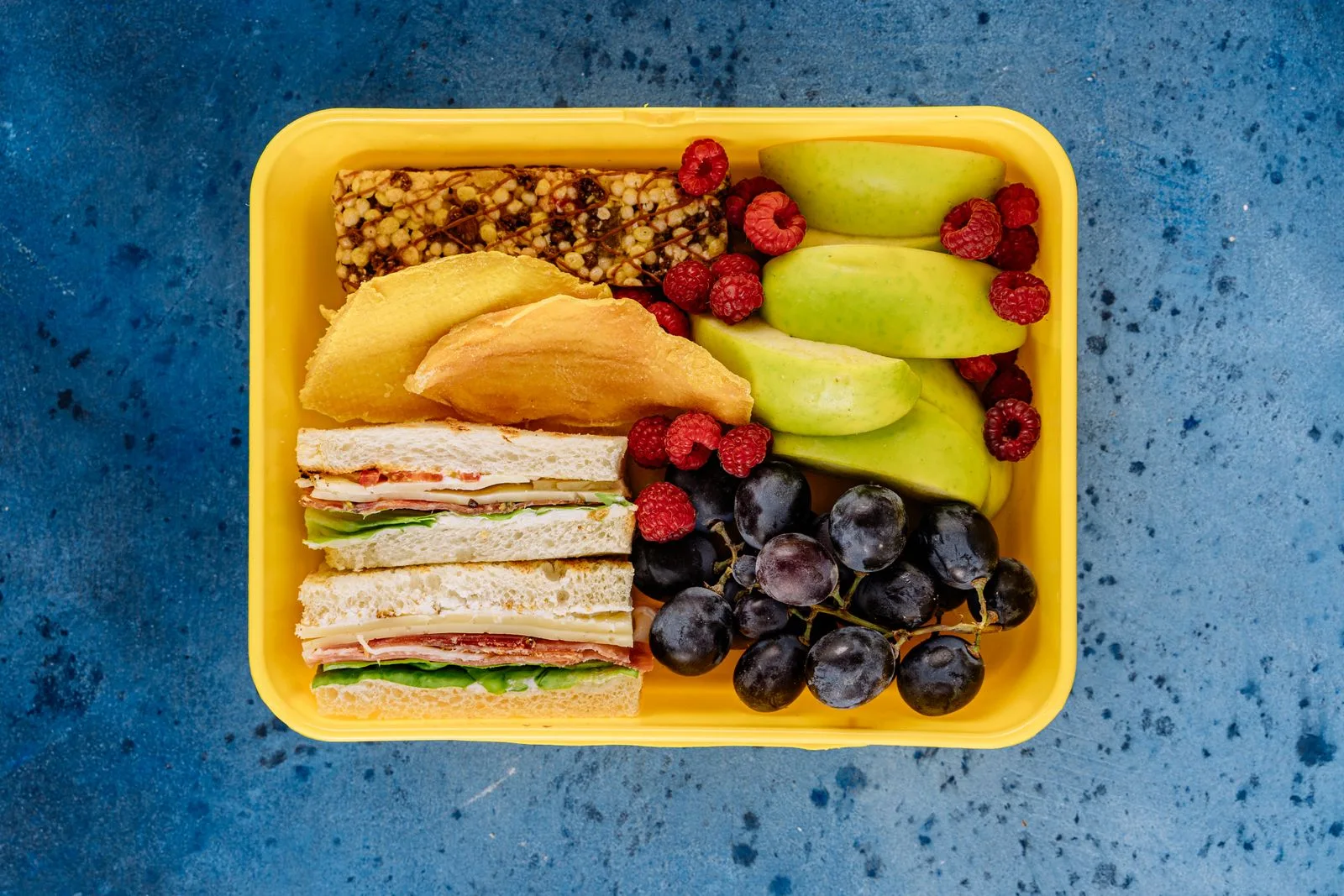
Illustrative photography by Antoni Shkraba / Pexels. Images show editorial inspiration, rather than a product or recipe test.
The best lunch box is the one that fits the lunch you are willing to prepare on an ordinary Tuesday. A beautiful stack of tiny containers can become inconvenient if you dislike washing lids. A single large tub can be equally frustrating when a dressing leaks into bread. Begin with the meal and the journey, then choose the equipment.
Our buying advice is research-led. Links may take you to retailers; any paid relationship is identified beside the link. See our affiliate disclosure.
Imagine leaving home with a work bag, coat and drink. Consider whether lunch travels upright, whether a refrigerator is available, and whether there is suitable equipment for reheating. These details matter more than whether a box is marketed for meal preparation, school lunches or office life.
Describe a normal lunch honestly
Write down three lunches you would happily eat. They might be a sandwich and fruit, a grain-based meal, and a pasta salad. If all three have similar shapes, one container style may cover most days. If they are very different, two versatile containers can be more useful than one complicated system.
For a sandwich lunch, check the internal dimensions against your usual bread. For a bowl-style meal, make sure there is space to stir or add a topping. For a mixed lunch, separate wet ingredients from crisp ones in a way that fits the manufacturer’s instructions.
Choose a quantity that matches appetite. A container should not dictate how much you eat simply because it has five compartments. If you regularly leave one section empty, a simpler design may be a better fit.
Measure the bag before the box
Measure the usable base of your bag, accounting for a laptop sleeve or other objects. Then check the external dimensions of the lunch box, including clips and handles. Product photographs rarely communicate how bulky a lid can be.
Weight deserves equal attention. Glass can suit a lunch that moves from home refrigerator to office desk with little walking, while its weight may feel less appealing on a long commute. Plastic designs may be lighter, though material suitability, staining and care requirements vary. Stainless steel can be durable, but its heating limitations must match the facilities available.
Read the precise instructions for the model rather than assuming every part has the same microwave or dishwasher suitability. Lids, seals and bases may need different treatment. If the routine feels too elaborate now, it is unlikely to feel easier after dinner.
Compartments should solve a real problem
A divided box can keep several foods organized. It does not automatically mean the sections are sealed against each other. If you plan to carry dressing, yogurt or another liquid ingredient, check explicit manufacturer information about leak resistance and suitable uses.
A removable small pot may be more adaptable than permanently divided sections. It allows a single main meal on one day and separated ingredients on another. The tradeoff is another part to wash, dry and remember.
Look at corners and seals. Can a brush reach them? Can removable parts be reassembled easily? Replacement seals or lids may extend usefulness, particularly if the container will be used frequently. Availability is worth checking before buying an expensive system.
Create a short packing routine
Packing is easier when the decision has already been made. Add tomorrow’s lunch to the dinner plan rather than opening the refrigerator in the morning and hoping for inspiration. That might mean preparing a suitable extra portion, assembling a sandwich or choosing components from a planned shopping list.
A useful checklist has four questions: What is the main food? What adds a contrasting texture? What drink is needed? What utensil is required? This keeps the meal practical without demanding a perfect arrangement of miniature portions.
Follow appropriate guidance for chilling, transport and reheating. An insulated bag alone does not establish that food remains at a suitable temperature; the contents, journey and cooling method matter. Use authoritative local food-safety advice for your circumstances, especially when refrigeration is uncertain.
Keep any suitable reusable utensils beside the container so the set is easy to find. A spare fork at the workplace can also help if that arrangement is permitted. Avoid buying a travel cutlery kit solely because it matches the lid color.
Make cleanup part of the purchase decision
Picture arriving home after a long day. If the box has six pieces, all six need somewhere to dry. A design that nests neatly when empty may help with the return journey, while a seal that is difficult to remove may create an unwelcome evening chore.
Follow the maker’s cleaning instructions and inspect components as recommended. Store clean pieces in a way that allows them to dry fully. Before buying multiples, use one container for a few normal working days and notice whether its shape and care routine actually suit you.
The purchase may be unnecessary. An existing container with a reliable lid, suitable capacity and appropriate material instructions could already meet the need. Spend first on a gap you can name.
Plan ingredients that cross between meals
The flexible weeknight grain bowl offers a way to think about compatible components. The pantry shopping guide helps turn those preferences into a repeatable list. Neither requires a new collection of equipment.
For more practical meal ideas, visit Everyday Food.
Frequently asked questions
Should I buy a matching insulated bag?
Check the dimensions and your transport needs first. A compatible bag can be useful, but color coordination says nothing about food-temperature management. Choose an appropriate system for the food and journey.
Are more compartments always better?
No. They help only when you want to keep specific foods apart. Large fixed dividers can limit the meals that fit.
How many lunch boxes should a household own?
Start with one suitable container per regular user, then consider whether washing schedules justify an extra. A small useful collection is easier to store and maintain than several incompatible sets.
This story belongs to our June 2026 editorial issue. This edition was published and reviewed on October 10, 2026. Our guidance is based on editorial research and practical planning, not an undisclosed hands-on product test.