A Flexible Weeknight Grain Bowl
By Love Coma Cakes Editorial · May 5, 2026 journal issue · Published October 10, 2026
Build a balanced, appealing bowl from familiar ingredients, with sensible portions and fewer single-purpose purchases.
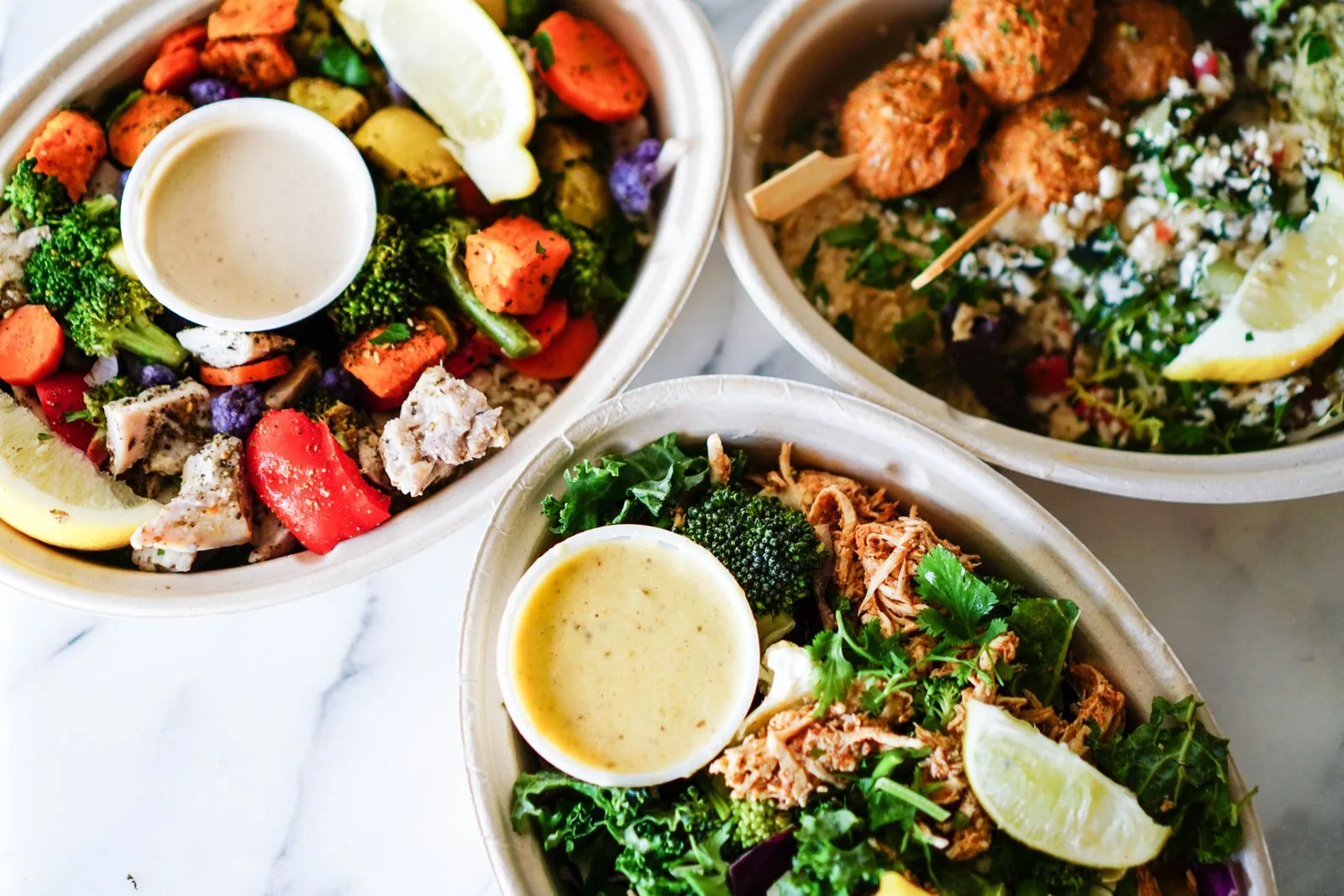
Illustrative photography by Loren Castillo / Pexels. Images show editorial inspiration, rather than a product or recipe test.
A grain bowl is useful on the evening when two people want different dinners but neither wants to cook twice. One person might prefer a generous spoonful of rice and mild vegetables; the other might add more greens and a sharper dressing. Preparing a few compatible components creates flexibility without requiring a restaurant-style selection bar.
Our buying advice is research-led. Links may take you to retailers; any paid relationship is identified beside the link. See our affiliate disclosure.
The aim is a complete meal with a manageable number of decisions. Choose a grain, a protein ingredient, two vegetables and one sauce. A finishing ingredient is optional. The bowl becomes less useful when it requires six separate shopping stops or leaves half-used jars behind.
Begin with a familiar base
For two portions, roughly 120–150 g of dry rice, bulgur or another grain is a reasonable planning example; follow the package directions and adjust to appetite. Different grains absorb different amounts of water and have different cooking times, so they are not interchangeable in a single cooking formula.
Choose the grain you know how to cook reliably. Rice provides a mild base. Bulgur has a more noticeable texture. Couscous may suit a hurried evening if its preparation fits your schedule. None needs to be the most fashionable option in the shop.
If you are choosing a packaged shortcut, compare the number of portions with what you actually need. A convenient pouch can make sense on an unusually busy night even when its unit price is higher. Buying a large bag is economical only if the ingredient becomes part of normal meals.
Give each component a clear job
The protein ingredient should be something you already like: beans, lentils, tofu, eggs or a suitably cooked meat or fish option. Follow its label or an appropriate recipe for preparation. For a straightforward vegetarian version, a drained standard tin of chickpeas can contribute to two bowls alongside the other components.
Choose one soft vegetable and one crisp ingredient. For example, roast carrots using a trusted method, then add sliced cucumber at the table. This combination gives contrast without two separate hot vegetable dishes. Alternatively, use cooked broccoli and a handful of prepared salad leaves.
Color can help with presentation, but do not buy a vegetable solely because the bowl needs something purple. Taste, price and whether the remainder will be used are more practical considerations.
A sauce brings the components together. Start with an existing dressing, or mix a small amount from ingredients your household already uses. Two or three tablespoons for two bowls is an initial serving suggestion, not a requirement. Put extra sauce on the table so people can choose their own amount.
Write a fifteen-second plan
Before cooking, note which component takes longest. Start that first. While it cooks, prepare the vegetables and sauce. Put the serving bowls on a clear counter and bring out the final ingredients before the grain is ready.
A simple sequence might be: start the grain, prepare the cooked vegetable, make the sauce, prepare the crisp vegetable, then assemble. If both the grain and vegetables require close attention, choose a simpler preparation for one. Dinner should not depend on managing two unfamiliar techniques at once.
Follow suitable cooking and storage guidance for every ingredient. This framework is about meal assembly; it does not replace food-safety instructions for rice, eggs, meat or leftovers.
Assemble for texture instead of a photograph
Spread the grain across the base of the bowl. Add the main ingredient and vegetables in a way that leaves space for stirring. Spoon over a little sauce, then add the optional finish: chopped herbs, seeds or a small crumble of cheese if appropriate for the diners.
Arranging everything in separate wedges can look appealing, but a bowl that is too full is difficult to eat. Leave enough room below the rim to turn a forkful without spilling. If the serving looks crowded, place one component in a small shared dish instead.
Let people adjust their own bowls. A familiar hot sauce, lemon wedge or extra dressing gives choice without asking the cook to create a second dinner. Check ingredient labels when accommodating allergies or dietary needs.
Which bowls are worth buying?
A broad, shallow bowl often makes mixing easier than a narrow, deep one. As a starting point, look around 20–23 cm across, then check the actual capacity and cupboard fit. Shape and usable depth vary considerably between designs with the same diameter.
Consider weight, dishwasher compatibility and whether the bowl also works for pasta or salad. A versatile pair may offer more value than a dedicated grain-bowl set. Smooth interiors are usually easier to scrape with a fork than strongly textured surfaces.
If you eat at a small table, measure the space occupied by two bowls, drinks and a shared serving dish. Oversized tableware can make a generous meal feel inconvenient. Existing soup plates may already do the job well.
Shop for the next meal too
Buy ingredients with a second use in mind. Carrots can accompany another dinner, cucumber can go into a lunch box, and chickpeas can contribute to another recipe. The useful connection is a realistic next meal, not a vague promise to become someone who eats more salad.
Our pantry shopping list guide takes this idea further. More Everyday Food articles offer practical approaches for ordinary kitchens.
Frequently asked questions
Do all the ingredients need to be warm?
No. Contrasting temperatures can be pleasant, provided each ingredient is prepared and handled appropriately. Choose what suits the meal and follow relevant guidance for perishable foods.
How many toppings are enough?
One is usually plenty. A topping should contribute a flavor or texture you want; it does not need to fill a checklist.
Is meal-prep equipment necessary?
No. Ordinary cookware and tableware are enough for this dinner. Buy containers only when there is a specific transport or storage need, with sizes and care instructions that suit your routine.
This story belongs to our May 2026 editorial issue. This edition was published and reviewed on October 10, 2026. Our guidance is based on editorial research and practical planning, not an undisclosed hands-on product test.